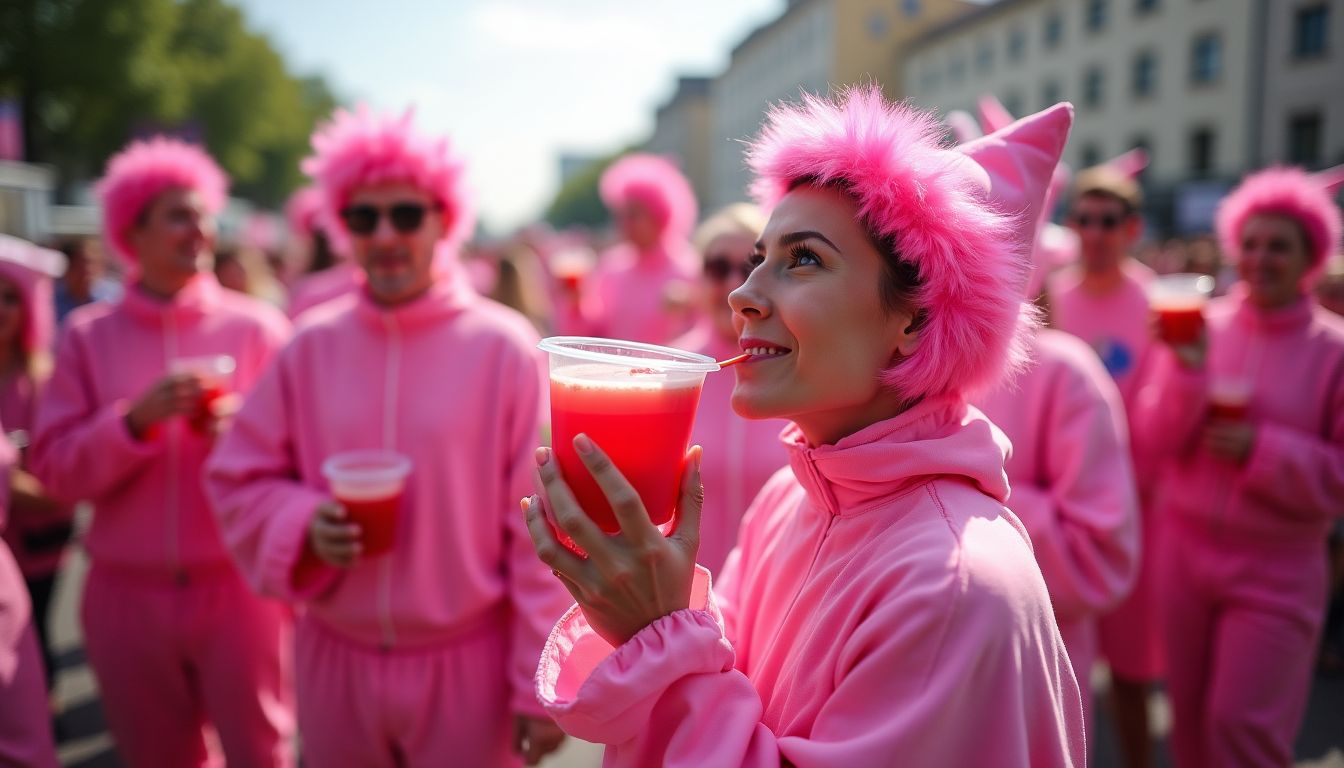
Vilnius Turns Pink: Why the Pink Soup Festival Is One of the Biggest Weekends of the Year
If you have never been to Vilnius in late June, you are missing one of the most surreal and delightful spectacles in Europe. The Pink Soup Festival — officially the Šaltibarščių Festival — is a weekend where an entire city loses its collective mind over a bowl of cold beet soup. Streets turn pink. Restaurants compete to serve the most creative variations. Locals and visitors alike don pink outfits, drink pink beverages, and eat more beetroot than anyone thought humanly possible. It is loud, chaotic, deeply cultural, and completely unmissable.
For travelers, it is one of the best weekends to experience Vilnius at its most vibrant. For property owners, it is one of the most profitable weekends on the entire calendar. And for anyone trying to book accommodation last minute, it is a masterclass in why advance planning matters.
What Is the Pink Soup Festival, Really?
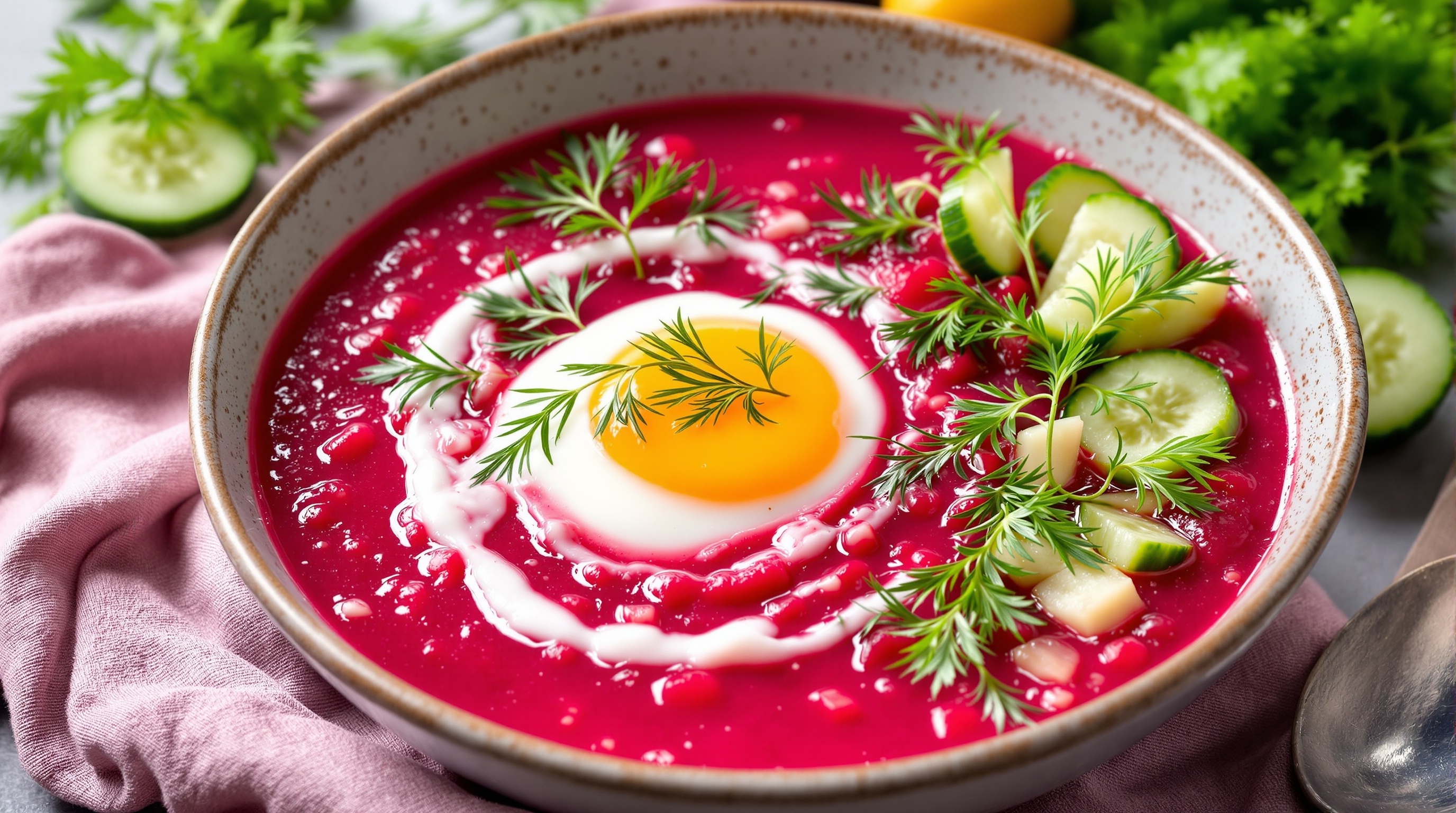
The Pink Soup Festival is an annual celebration of Šaltibarščiai — Lithuania's iconic cold beet soup. It is the dish that divides foreigners on first encounter and converts them forever on the second. Made with kefir or buttermilk, boiled beets, cucumbers, dill, and hard-boiled eggs, it is served chilled and consumed by the bucketload every summer across the Baltic region.
The festival itself began in the early 2010s as a small gathering of local restaurants promoting the traditional dish. It has since exploded into one of the largest single-weekend events in Lithuania. The 2025 edition drew an estimated 80,000 visitors over a single weekend. The 2026 edition is projected to cross 100,000. That is a city of 600,000 suddenly adding one sixth of its population in tourists over forty-eight hours.
It is not just about the soup. It is about national identity. Lithuania is a country that has spent centuries defending its culture from erasure, and Šaltibarščiai is one of those quiet, everyday symbols of survival. The festival is a deliberate, joyful act of cultural assertion. Eat the pink soup. Wear the pink clothes. Dance in the pink streets. This is who we are, and we are proud of it.
The Full Festival Experience: What Actually Happens
If you imagine a food festival as a quiet stroll between tasting booths, you are not prepared for the Pink Soup Festival. This is a city takeover.
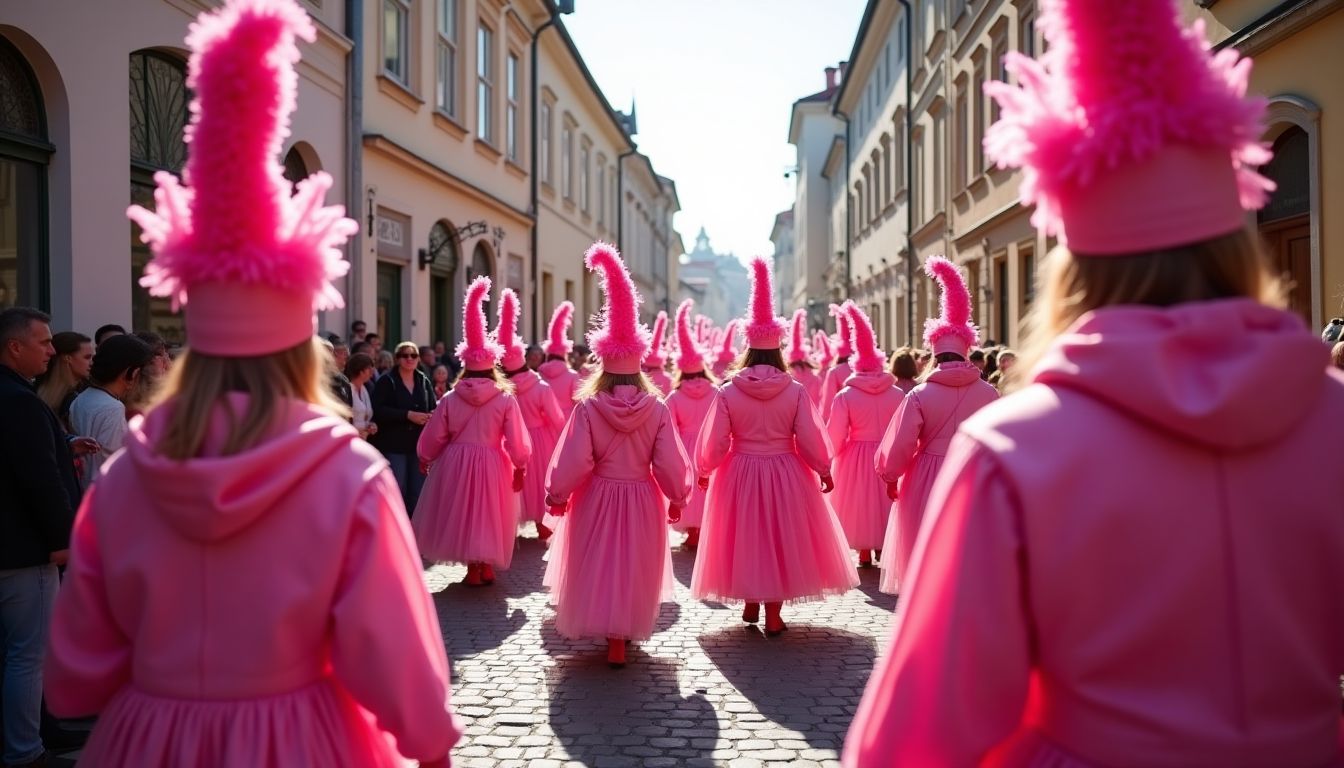
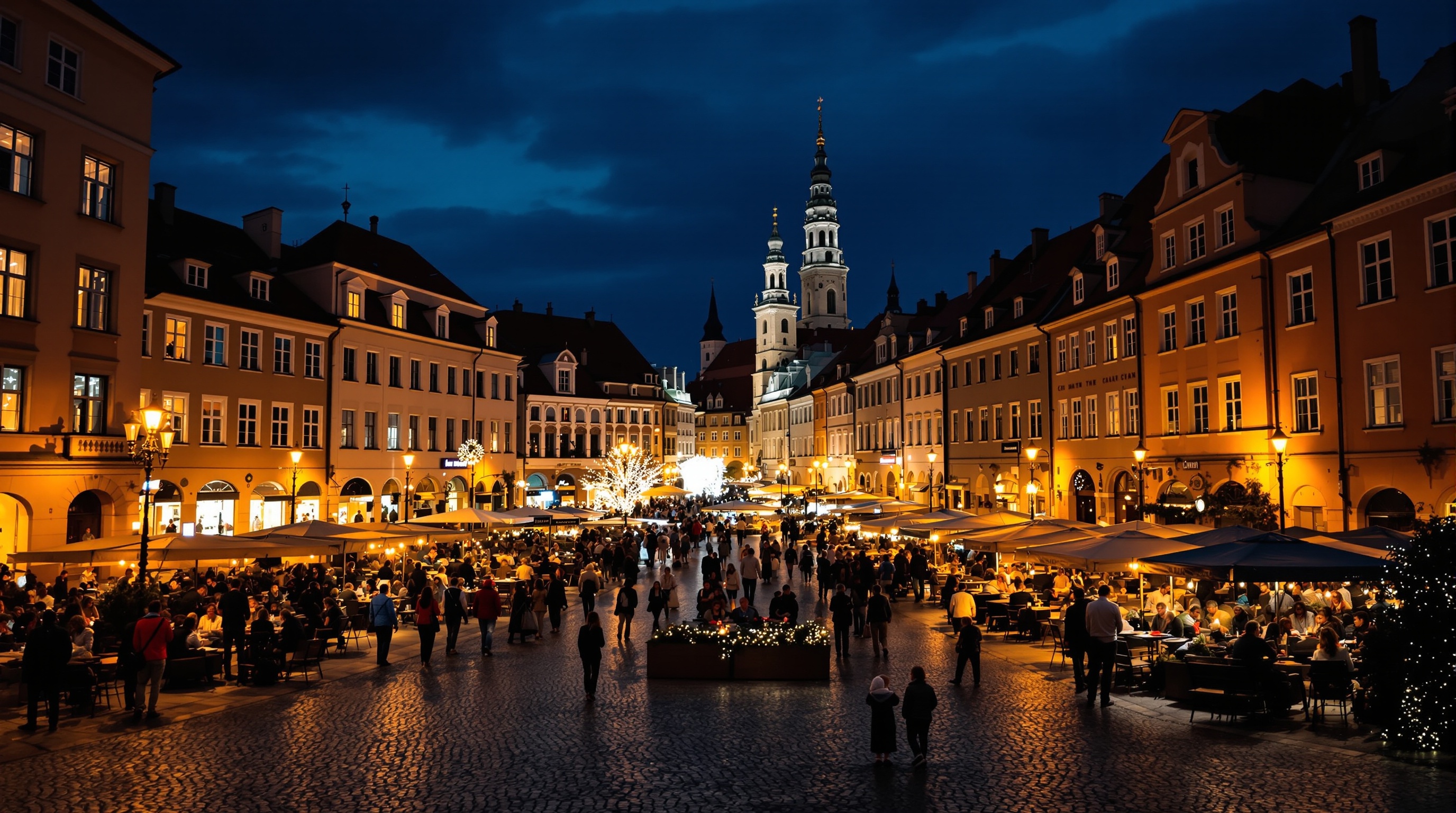
The Pink Parade. The festival kicks off with a parade through the Old Town that is part carnival, part protest march, part food pilgrimage. Participants wear everything from pink tutus to full beet costumes. Local businesses decorate their storefronts in pink. The city municipality even repaints selected crosswalks in pink for the occasion. The parade ends in Cathedral Square, where the first ceremonial bowl of Šaltibarščiai is served to the crowd.
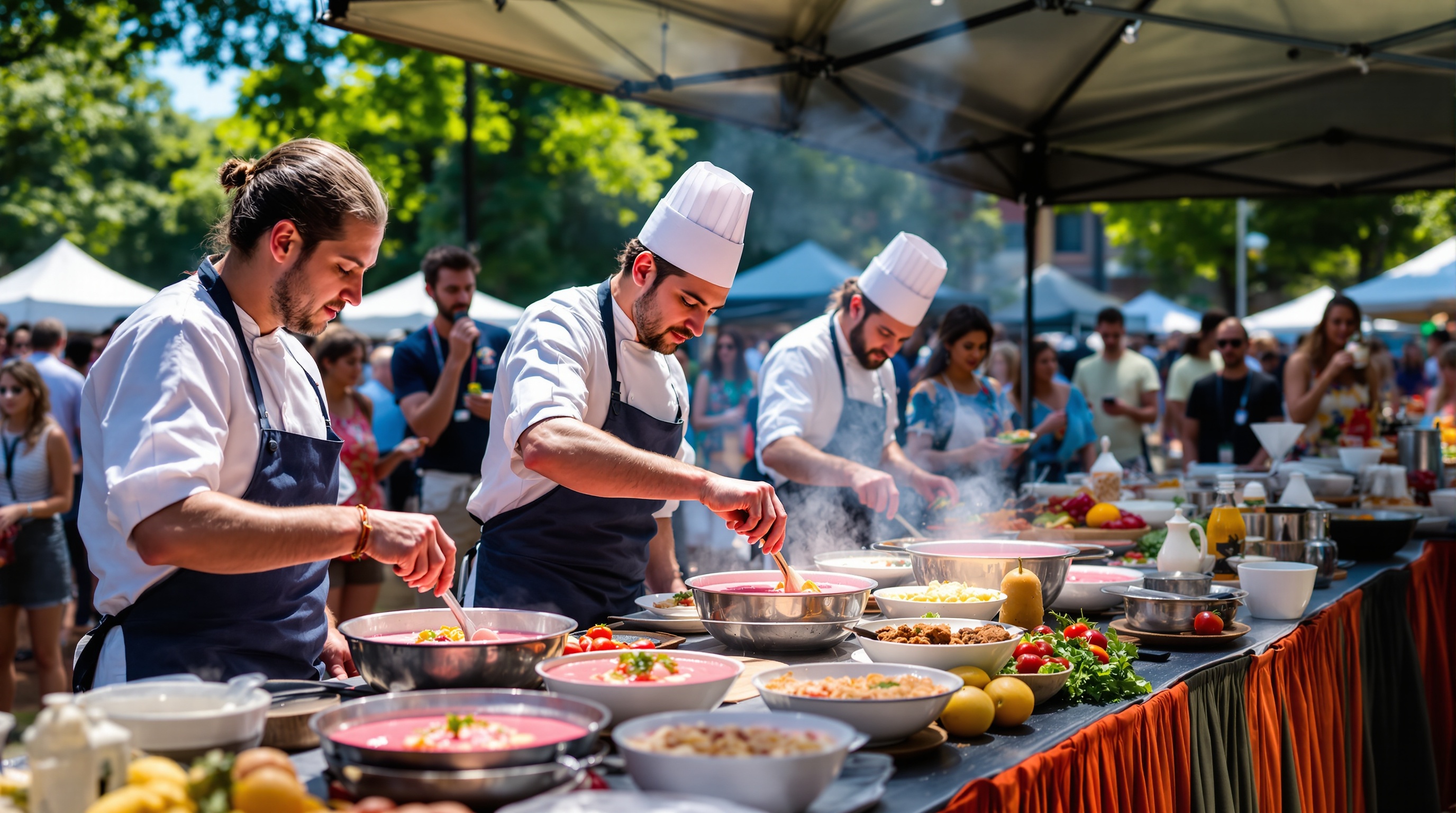
The Soup Competition. The heart of the festival is a citywide competition among restaurants and chefs to create the most inventive, delicious, or surprising interpretation of Šaltibarščiai. There are categories for traditional, modern, and experimental. Past winners have included deconstructed molecular versions, frozen Šaltibarščiai sorbet, and even a cocktail inspired by the soup. The 2025 winner served a version with smoked trout and edible flowers that looked like a painting and tasted like summer.
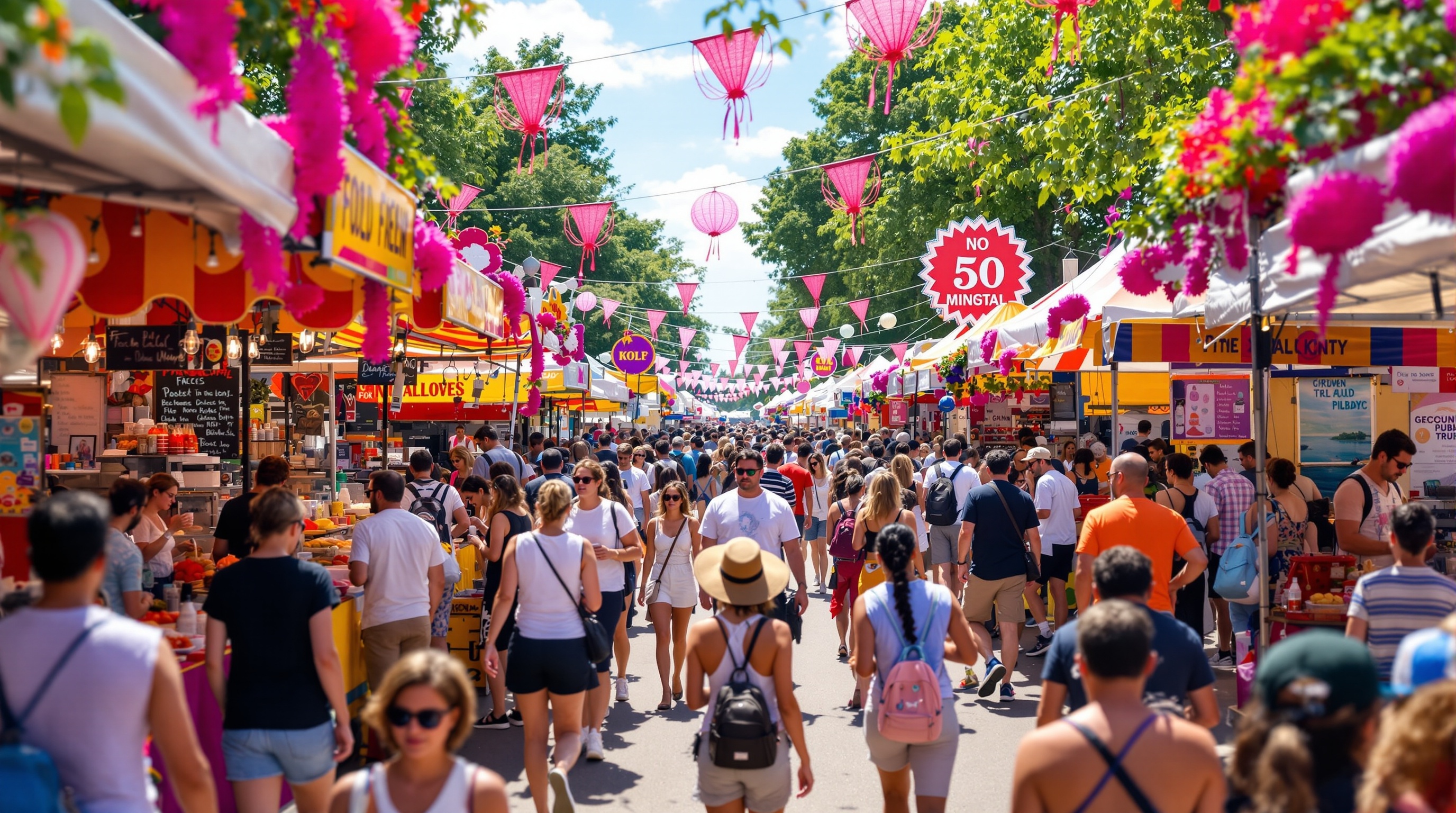
The Pink Market. A dedicated outdoor market runs along Gedimino Avenue, selling not just soup but pink everything. Pink clothing, pink accessories, pink pastries, pink beer. Local artisans sell beet-dyed textiles. Craft breweries release limited-edition pink beers. Bakeries sell pink-iced cookies shaped like beets. It is consumerism in the best possible way — local, handmade, and deeply weird.
Live Music and Stages. Multiple stages across the city host local and international acts. The main stage in Cathedral Square draws crowds of 15,000+ for headliners. Smaller stages in Užupis and the New City Centre feature indie bands, folk groups, and DJs. The music runs from midday until late night, and the city does not sleep.
The Family Zone. For a festival built around soup, the family programming is surprisingly extensive. There are cooking workshops where children learn to make their own Šaltibarščiai. There are beet-growing demonstrations. There are face-painting stations that turn kids into actual beets. There is a dedicated quiet zone for families who need a break from the noise. The festival is genuinely all-ages.
The After-Dark Scene. As the sun sets, the festival shifts. The pink bars and pop-up cocktail lounges open. The dance stages switch to electronic music. The Old Town becomes a maze of pink-lit courtyards and hidden parties. It is not Berlin, but it is also not what anyone expects from a city of six hundred thousand people. The atmosphere is joyful, unpretentious, and completely Lithuanian.
The Culture of Šaltibarščiai: More Than Just a Soup
To understand why this festival matters, you need to understand the dish itself. Šaltibarščiai is not just food in Lithuania. It is a ritual, a memory, a shared cultural reference point.

The summer tradition. In Lithuanian households, Šaltibarščiai is what you eat when the temperature rises above 25 degrees. Grandmothers make it in industrial quantities. Office canteens serve it daily from June through August. It is the taste of Lithuanian summer, the same way mulled wine is the taste of December. For the diaspora, it is the taste of home. Lithuanian communities in Chicago, London, and Dublin have their own Šaltibarščiai gatherings.
The health mythology. Lithuanians will tell you that Šaltibarščiai is healthy in ways that have never been scientifically verified. It is said to lower blood pressure, improve digestion, cool the body, and even enhance mood. The kefir provides probiotics. The beets are packed with antioxidants. The eggs provide protein. Whether or not any of this is clinically true, the belief is sincere and widespread. Eating Šaltibarščiai is experienced as an act of self-care.
The identity politics. The festival has also become a subtle but real site of cultural politics. In a region where national identity has historically been contested, celebrating a distinctly Lithuanian dish is a low-stakes but meaningful assertion of independence and cultural confidence. The festival is not overtly political, but its existence is a political statement. We have our own traditions. We celebrate them publicly. We invite the world to join us.
The generational divide. One of the most interesting dynamics at the festival is the mix of ages. Older Lithuanians come for the traditional soup and the folk music. Younger attendees come for the party, the Instagram content, and the sense of collective experience. The festival bridges these groups in a way that few events do. You will see a grandmother in traditional dress and a twenty-year-old in a pink sequined outfit eating the same bowl of soup and arguing about which restaurant made it better.
Why Every Airbnb in Vilnius Sells Out
If you have tried to book accommodation for the Pink Soup Festival weekend, you already know the problem. There is almost nothing left. And what is left is priced at a premium that would make a Paris hotel blush.
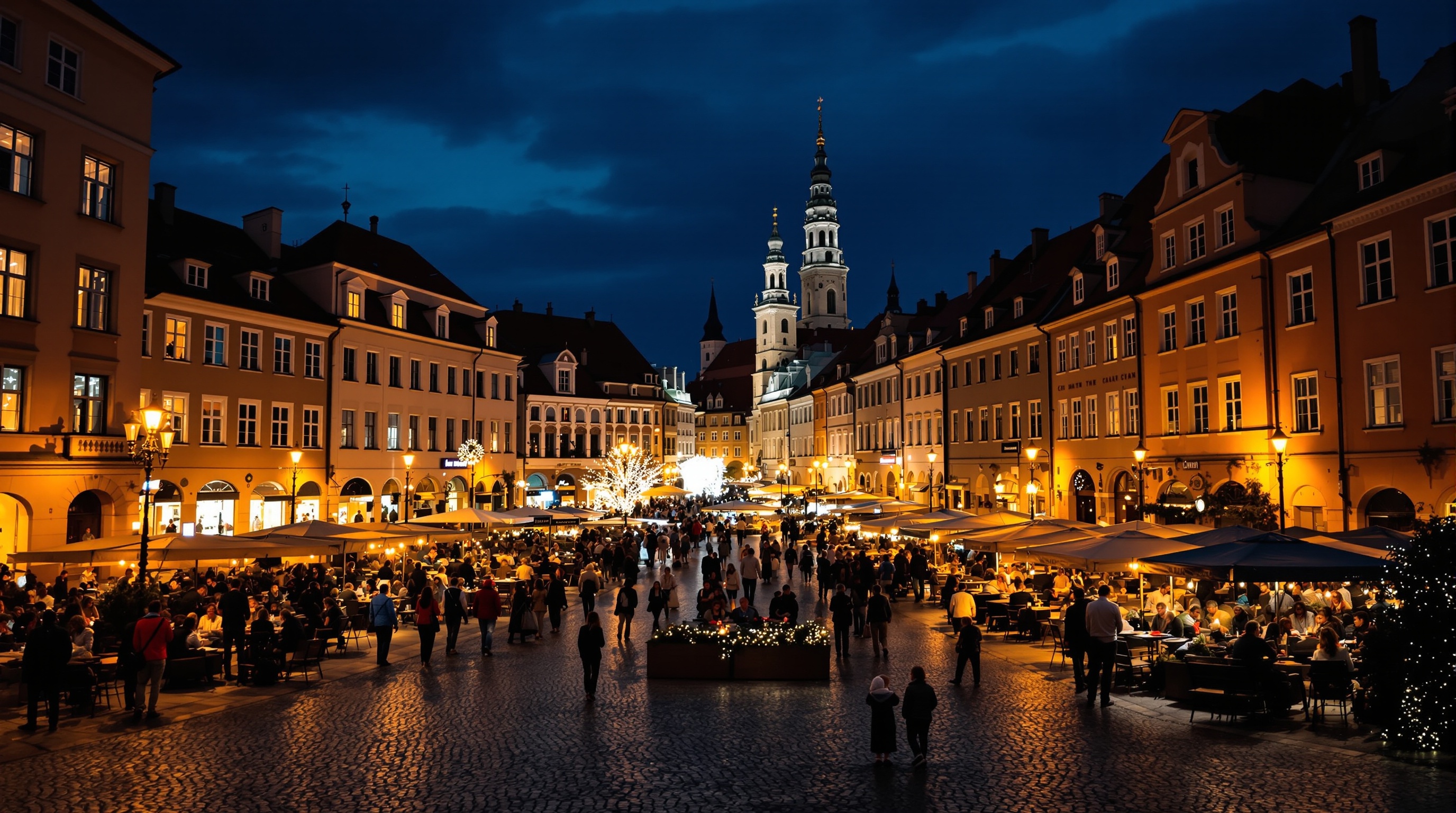
The numbers are stark. In a normal June weekend, Vilnius has approximately 4,200 active short-term rental listings. During the 2025 Pink Soup Festival, over 3,800 of those were booked by mid-May. The remaining 400 were priced at 2.5–3.5x normal rates. A €75/night apartment in the Old Town became €250/night. A €120/night premium property became €400/night. And they still sold.
The hotel market is no better. Vilnius has roughly 6,000 hotel rooms. During the festival, occupancy hits 98%. The remaining 2% are typically the most expensive suites or rooms with accessibility limitations that reduce demand. The Radisson Blu, the Grand Hotel Kempinski, and the Hilton Garden Inn all sell out six to eight weeks in advance.
Why demand is so concentrated. The festival is a single weekend. It is not spread across a month like a Christmas market season. It is a narrow spike of demand that hits the accommodation market like a tidal wave. Visitors come for the festival, but they typically stay 2–3 nights. That means the impact is not just one Saturday night — it is the entire weekend block.
The spillover effect. The accommodation shortage does not stop at Vilnius. Visitors who cannot find rooms in the city center spill into Kaunas, Trakai, and even as far as Klaipėda. Kaunas is 100 kilometers away, but during the 2025 festival, Airbnb occupancy in Kaunas was 20% higher than normal for that weekend — purely driven by Vilnius spillover.
The repeat visitor factor. The Pink Soup Festival is not a one-time event for most attendees. It is an annual tradition. Locals who have family visiting plan their entire summer around it. International attendees who came once come back the next year. This creates a base of demand that is already locked in before the general public even starts searching.
The Economics: What This Weekend Means for Property Owners
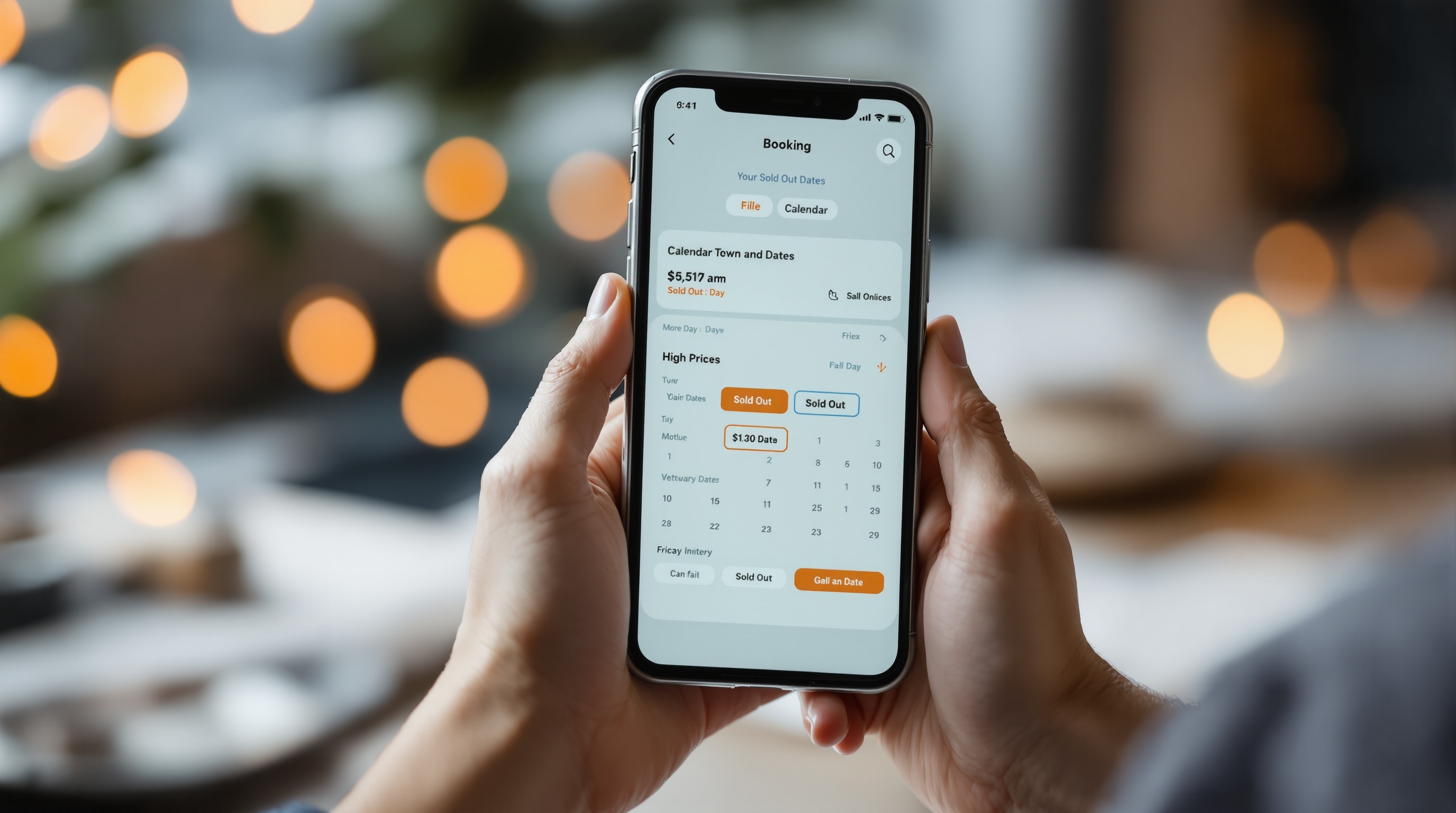
For short-term rental owners in Vilnius, the Pink Soup Festival is the single highest-revenue weekend of the year. Understanding the economics helps explain why availability disappears so fast.
The revenue math. A well-managed one-bedroom apartment in the Old Town normally generates €85–€95 per night in June. During the Pink Soup Festival, the same property can achieve €220–€320 per night. Over a three-night stay, that is €660–€960 versus the normal €255–€285. The festival weekend alone can generate 30–35% of what the property makes in an entire normal month.
The pricing psychology. Guests who book late for the festival enter a panic mindset. They have already committed to attending — they have festival tickets, they have arranged travel, they have told their friends. The accommodation becomes the final piece of a puzzle they are desperate to complete. This means they are significantly less price-sensitive than normal travelers. A €300/night room that would be laughed at in February is gratefully snapped up in June.
The opportunity cost. For hosts, the festival weekend is a finite resource. There is only one Pink Soup Festival per year. If a property sits empty that weekend, the revenue is lost forever. It cannot be made up in January or March. This is why professional managers start adjusting their festival pricing 90–120 days in advance, and why they are aggressive about maximizing yield.
The booking window pattern. Data from our portfolio shows that festival bookings follow a clear pattern. 40% of guests book 90+ days in advance. These are the planners, the repeat visitors, the organized groups. Another 35% book 30–90 days out. These are the intentional travelers who know about the festival but did not plan immediately. The final 25% book within 30 days. These are the desperate, the spontaneous, and the late-deciders. They pay the highest rates.
The extended stay premium. Guests who stay 2–3 nights during the festival weekend often extend their stay by 1–2 additional nights. This is particularly valuable because the nights immediately before and after the festival are also priced above normal, even if not at full festival peak. A three-night festival stay can easily become a five-night trip, with the buffer nights at 1.5–2x normal rates.
The Neighborhood Breakdown: Where to Stay and Why
Not all Vilnius neighborhoods are equal during the Pink Soup Festival. Understanding the geography helps explain the accommodation dynamics.
Old Town (Senamiestis) is the epicenter. The parade route runs through it. The main Cathedral Square stage is at its edge. The highest concentration of festival events is within a 10-minute walk. Properties here command the absolute peak rates. A 35m² studio in the Old Town can outperform a 60m² apartment in the New City Centre during festival weekend. The trade-off is noise — the Old Town does not sleep during the festival, and guests who value quiet should look elsewhere.
Užupis is the second-best option. It is a 10-minute walk from the Old Town, which puts it close enough to access everything easily but far enough to escape the absolute chaos. The Užupis stage is also a genuine festival venue, so the neighborhood has its own energy. Properties here achieve 85–90% of Old Town festival rates with less noise disruption. For guests who want atmosphere without the all-night crowd, Užupis is ideal.
New City Centre is the business traveler's fallback. The festival events are a 15–20 minute walk or a 5-minute taxi. Rates here are 60–70% of Old Town peak, but the properties are typically newer, larger, and quieter. For families with young children or travelers who prioritize sleep over proximity, this is the rational choice.
Šnipiškės and Žirmūnai are the budget options. These are residential neighborhoods north of the center, accessible by bus or taxi in 15–20 minutes. Properties here see some festival uplift but typically only 30–40% above normal rates. They are the last to sell out and the first option for genuinely late bookers.
Naujamiestis is the emerging choice. This hipster neighborhood south of the Old Town has a growing restaurant and bar scene. It is a 15-minute walk to the festival core. The area is less known to international tourists but increasingly popular with locals. Properties here achieve 50–60% of Old Town festival rates and represent the best value for travelers who know the city.
The Host's Playbook: How to Maximize Festival Weekend
For property owners who want to capture the full value of the Pink Soup Festival, here is the playbook we use with our managed properties.
Price 90 days in advance. The biggest mistake hosts make is waiting too long to adjust pricing. By 60 days out, the most price-sensitive guests have already booked. By 30 days out, you are only competing for the desperate. Set your festival rates 90 days ahead, then monitor demand. If you are filling faster than expected, raise rates further. If slower, hold steady. Do not panic-discount.
Minimum stay requirements. The festival weekend should have a minimum stay of 2 nights, ideally 3. A single Saturday night booking blocks the Friday and Sunday nights that could each earn nearly as much. The only exception is if you genuinely cannot fill the extended block — then a single night is better than nothing.
Festival-themed welcome. Small touches increase guest satisfaction and review scores. A printed guide to the festival schedule, a recommendation for the best Šaltibarščiai in the neighborhood, a small bottle of pink lemonade as a welcome gift. These cost almost nothing and generate genuine goodwill. Guests remember the property that helped them experience the festival better.
Noise management. If your property is in the Old Town, set clear expectations. The festival is loud. The streets are crowded. Sleep before midnight is unlikely. Guests who know this in advance will be satisfied. Guests who discover it unexpectedly will complain. Honesty in the listing description prevents negative reviews.
Early check-in and late checkout. Festival guests often arrive early on Friday and want to leave late on Sunday. If you can offer flexible timing, advertise it. The cleaning window may be tight, but the competitive advantage is real. Many guests will pay a premium for the flexibility.
Dynamic pricing for buffer nights. The Thursday before and the Monday after the festival are often underestimated. These nights typically see 1.5–2x normal demand as travelers arrive early or extend their stay. Price them accordingly.
The Traveler's Guide: How to Actually Get a Room
If you are determined to attend the Pink Soup Festival and you have not yet booked accommodation, here is your survival guide.
Book for 2027 now. The single best piece of advice is to book a full year in advance. The 2026 festival is likely already sold out for central properties. The 2027 dates will be announced shortly after the 2026 event ends. That is your window. Properties that release availability 12 months in advance typically do so at standard rates, before festival premiums are applied. A January booking for the following June can save 50–70% compared to a May booking.
Consider the fringe neighborhoods. As outlined above, Šnipiškės, Žirmūnai, and Naujamiestis have availability later and at lower prices. The trade-off is a 15–20 minute commute to the festival core. For travelers who do not mind a short bus ride or taxi, this is the best value option.
Look at Kaunas as a base. If Vilnius is completely sold out, Kaunas is a viable alternative. The train between Kaunas and Vilnius takes 1 hour and 15 minutes, with departures every 1–2 hours. A €30 train ticket plus a €60/night Kaunas apartment can be significantly cheaper than a €300/night Vilnius room. The festival runs until late night, so you would need to stay overnight in Vilnius or take a very late train, but it is a workable option.
Monitor cancellations. In the final two weeks before the festival, a small percentage of bookings cancel. This creates brief windows of availability. Set up alerts on Airbnb and Booking.com. Be ready to book immediately when something appears. The best cancellations typically appear on Tuesday and Wednesday mornings, when business travelers adjust their plans.
Negotiate directly with hosts. If you find a property that is available but overpriced, send a polite direct message. Some hosts prefer a confirmed booking at a slightly lower rate than the risk of the property sitting empty. This is particularly effective 7–14 days before the festival, when the host's fear of vacancy is highest.
Consider alternative accommodation. Hostels in Vilnius are more likely to have availability than private apartments, though they also sell out. The city has a growing boutique hostel scene with private rooms. Guesthouses and bed-and-breakfasts are another option — they are less likely to be listed on major platforms and may still have space.
The Bigger Picture: What the Festival Means for Vilnius Tourism
The Pink Soup Festival is not just a fun weekend. It is a case study in how a single event can reshape a city's tourism economy.
The media value. The festival generates enormous international media coverage. In 2025, it was featured in The Guardian, Lonely Planet, and Eater. The social media reach is estimated at 50 million impressions. This is marketing that the city could never afford to buy, delivered organically by visitors who are genuinely enthusiastic.
The repeat visitor effect. Visitors who come for the festival often return. The festival is their gateway to Vilnius. They discover the Old Town, the food scene, the affordability, the atmosphere. They come back for a longer stay in autumn or spring. They tell their friends. The festival is not just a revenue event — it is a customer acquisition channel.
The year-round economic impact. The festival has forced Vilnius to develop its event infrastructure. The stages, the crowd management systems, the vendor licensing, the safety protocols — all of this investment is reused for other events throughout the year. The city is now a more capable host for large gatherings, which attracts more events, which creates more demand for accommodation.
The property investment signal. For real estate investors, the festival is a signal. A city that can attract 100,000 visitors for a weekend has a tourism economy with genuine depth. The Pink Soup Festival is evidence that Vilnius is not just a cheap Eastern European alternative — it is a destination with its own gravitational pull. Properties in Vilnius benefit from this perception, even if the owners never interact with the festival directly.
The Festival's Future: Where It Goes From Here
The Pink Soup Festival is still growing. The question is whether it can grow sustainably without losing its identity.
The capacity challenge. Vilnius can physically handle more visitors, but the experience degrades. The 2025 festival was already crowded in the Old Town. The 2026 edition is expected to be more so. The city is exploring ways to spread events across more neighborhoods, to stagger peak times, and to improve crowd flow. The risk is that the festival becomes so large that it stops being fun.
The commercialization tension. As the festival grows, corporate sponsorship increases. The 2025 edition had major sponsorship from a Lithuanian dairy brand, a mobile network, and a supermarket chain. This is necessary for funding, but it changes the tone. The festival must balance growth with authenticity. Too much corporate presence and it becomes just another generic event.
The international expansion. There are already satellite Pink Soup Festival events in Lithuanian diaspora communities — Chicago, London, Dublin. The organizers have discussed expanding to other Baltic cities, though this is controversial. The festival is specifically Vilnius, specifically Lithuanian. Expanding it risks diluting the identity.
The environmental question. 100,000 visitors generate waste. The festival is working on sustainability initiatives — compostable bowls, reusable cup systems, public transport incentives. But the environmental footprint is real and growing. How the festival addresses this will become increasingly important.
Our Honest Take
We have managed properties through six Pink Soup Festivals. We have seen guests who planned perfectly and guests who showed up with no place to sleep. We have seen hosts who captured enormous revenue and hosts who left money on the table through poor pricing.
The festival is the best single weekend in the Vilnius short-term rental calendar. It is not close. A property that is well-positioned, well-priced, and well-managed can earn more in 72 hours than in an entire slow winter month.
For travelers, the festival is worth the effort. It is genuinely one of the most unique cultural events in Europe. The combination of food, music, community, and absurdity is unforgettable. But you need to plan. The accommodation market is not forgiving to the unprepared.
For property owners, the message is simpler: the Pink Soup Festival is why you own property in Vilnius. It is the proof that this city has a tourism economy with genuine depth and momentum. Price for it. Prepare for it. Deliver a great experience during it. The returns are exceptional, and the guests will remember your property as the place where they experienced one of the best weekends of their year.
Plan ahead. Book early. Eat the pink soup. Vilnius is waiting.
Ready to maximize your Baltic property?
Get a free property assessment from our local team. No commitment, just honest advice.